People in my community are still talking about 'when things go back to normal' but we need to realise that volatile and uncertain weather conditions are the new normal.
Goondiwindi, QLD
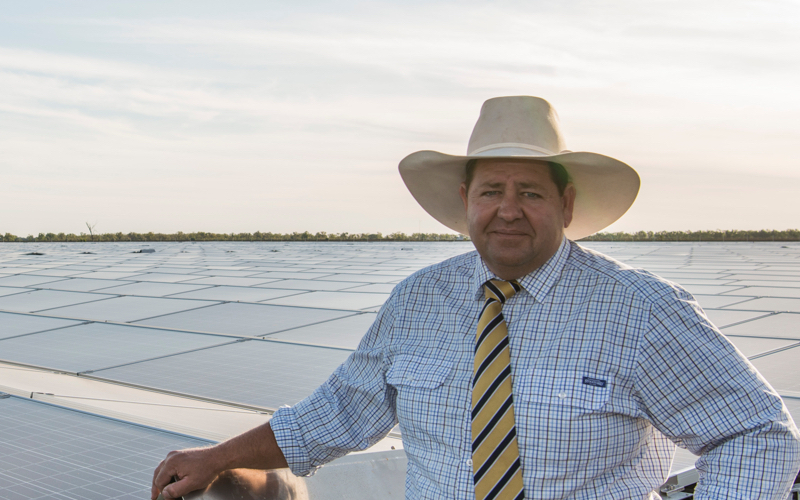
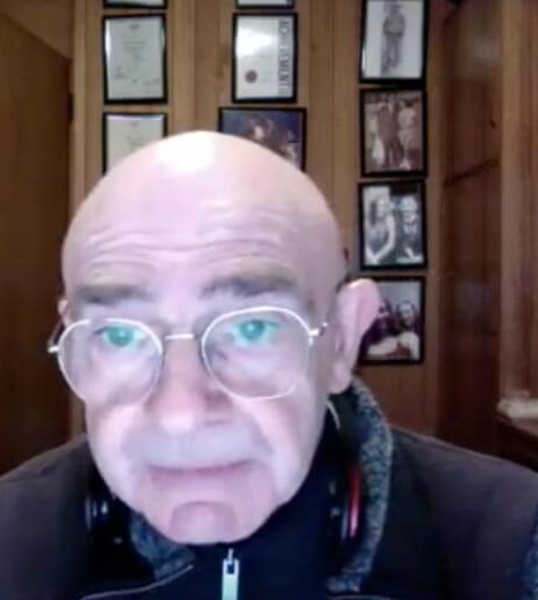
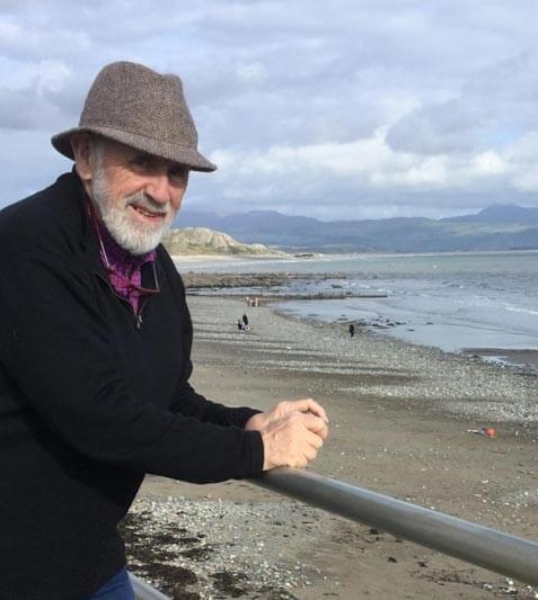
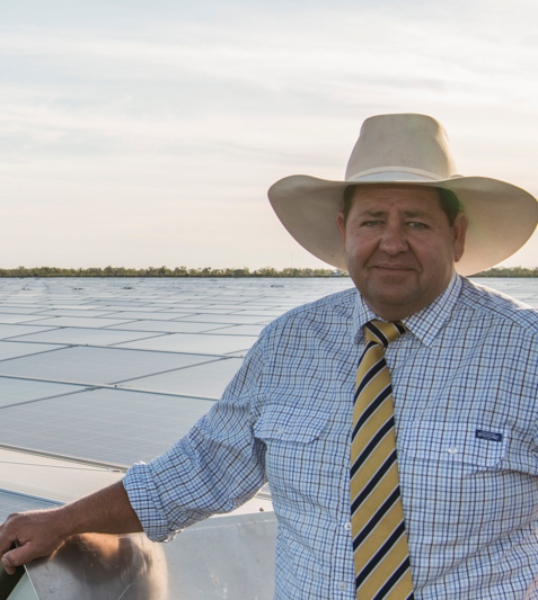
My name is Pete Mailer. My wife and I farm grain and cattle near Goondiwindi on the Queensland border.
I grew up farming and started my own farming business in the early 1990s. I have witnessed the impacts of climate change on my farm and community.
The 3rd of January 2014 was a pivotal day for me. That day the temperature soared over 47 degrees, relative humidity plummeted to single figures and there were high winds. It was a crop killing day.
It decimated crops that had adequate moisture and should have been able to produce a good yield. Hundreds of millions of dollars of production in the region was knocked out in just one day.
It barely made the news. If a cyclone or flood did as much damage they would trigger disaster relief.
It was dismissed as ‘a once in a hundred-year event’. However, a few years later we got a week of the same kind of crop killing days in a row. One in a hundred-year events are now turning into a one in ten-year events.
Global warming is forecast to increase the severity and frequency of extreme weather events. Paradoxically this means we will see more extremes in heat and cold weather events, drought and flood events and the intensity of storms.
In the last couple of years on my farm, I’ve experienced extreme damage from flood, drought, frost and heat. I have experienced multiple extreme events in a single production year.
The increasing volatility in the seasons is making farming harder to manage. Farmers have been pretty good at dealing with volatile weather, but increasing volatility will be almost impossible to manage without assistance..
Since the 1990s I have reduced my annual yield expectations by 15% because of uncertainty in the weather. Our returns are increasingly hard to predict. As a result, I have downsized our farming operations in response to climate risk. It’s been a pretty hard slog.
Ironically, 2021 will most likely go down as the best annual farming year of my career due to exceptionally kind weather. Sadly, the five and ten year rolling averages still attest to the realised impacts of climate change while clearly signalling the rising risks we face.
My family started diversifying our farming business and moving into solar farms some years ago. This shift was a deliberate and proactive response to climate change. All of my siblings work in the solar now.
People in my community are still talking about ‘when things go back to normal’ but we need to realise that volatile and uncertain weather conditions are the new normal.
I’m concerned for the next generation and what their opportunities will be like. Every generation is a steward and it is incumbent on us to leave our land/country/planet better than we found it. Australia is so far failing to do that.
The government’s response to climate change is grossly inadequate. Australia has an opportunity to change our response and we must act now.
Sometimes the problem looks so large that it seems like nothing we do can make a difference. In truth, everything we do makes a difference and there is a cumulative effect that eventually can’t be ignored. Individuals and communities must act on climate in whatever capacity they can rather than waiting for someone else to do it.
Hundreds of people from across the country are sharing their stories to send a clear message to the Australian government - it's time for real action on climate change.
Every story appears as a point on this map. Click around to read how climate change is affecting our communities, and add your own story to the map.
People all across Australia are being harmed by climate change. These are some of their stories.
We're reviewing your story now. As soon as it's up on the website we'll send you an email to let you know. We need as many people as possible to share their climate stories - so we can show the government that Australians need urgent climate action. Will you spread the word by sharing this campaign on social media?
Share on Instagram Share on Twitter Share on FacebookWill you stand with us and share your story of how climate change is affecting you, your family and your community?
It doesn't matter how big or small the impact you've felt - everyone's story is important.
Together we can show the government that taking real climate action is in everyone’s interest.