As soon as summer hit I knew we were in trouble. The bedroom gets the sun all afternoon. It was like an oven - we have fans running all the time just to try and keep air circulating.
Potts Point, NSW
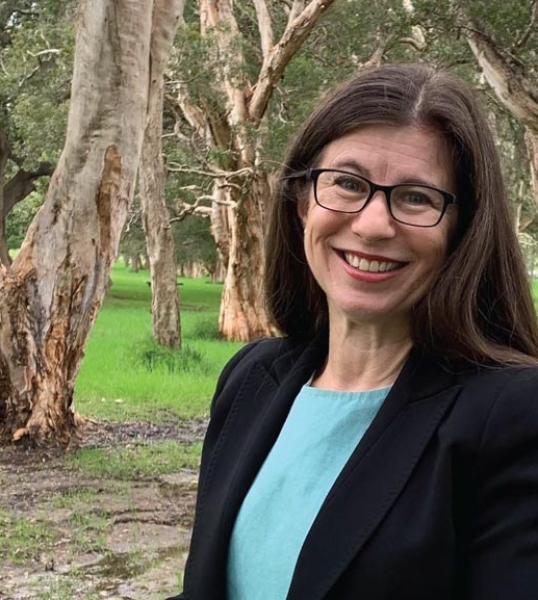
I moved to Australia last year. My partner is Australian and she’d had a really stressful time during the Black Summer fires. The fires got really close to her childhood home and she thousands of miles away glued to the ABC trying to find out what was happening.
We’re lucky enough to live in the eastern bit of Sydney, and we normally get a decent breeze through, even on hot days. But our apartment is west facing and we don’t have air conditioning.
As soon as summer hit I knew we were in trouble. The bedroom gets the sun all afternoon. It was like an oven – we have fans running all the time just to try and keep air circulating. My partner and I weren’t getting any sleep and were starting to snap at each other.
It wasn’t even that hot this year. I don’t know how we’d cope in a heatwave. And I don’t know how we’d cope if it keeps getting hotter. It really makes me question how long we could live here for.
I know I’m really lucky, because whenever I drive a bit further west or north, out into the suburbs, the temperature rises about 5 degrees. We’ve got a few trees on our street for shade, but I really feel for families moving out there, where there’s no shade on the streets or in gardens.
I’ll never understand why Australia isn’t at the front of the queue demanding climate action. There’s so much at stake – and so much opportunity if we get the transition right.
Hundreds of people from across the country are sharing their stories to send a clear message to the Australian government - it's time for real action on climate change.
Every story appears as a point on this map. Click around to read how climate change is affecting our communities, and add your own story to the map.
Here is what I observed with global warming: 1. More frequent, hotter and longer heatwaves. 2. More violent storms/hurricanes. 3. Prolonged drought and water restrictions. 4. Decrease in super money. 5. Increased criminal activity against property (from the news media). Disease (such as coronavirus) relationship problems before major weather damage hits. Increase in number of people with mental illnesses.
People all across Australia are being harmed by climate change. These are some of their stories.
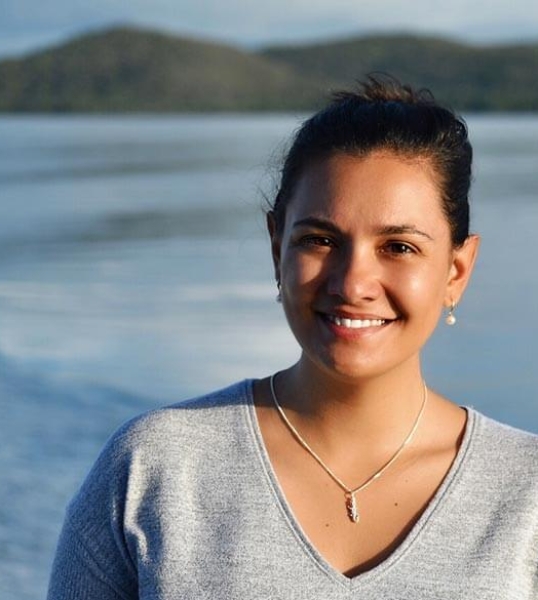
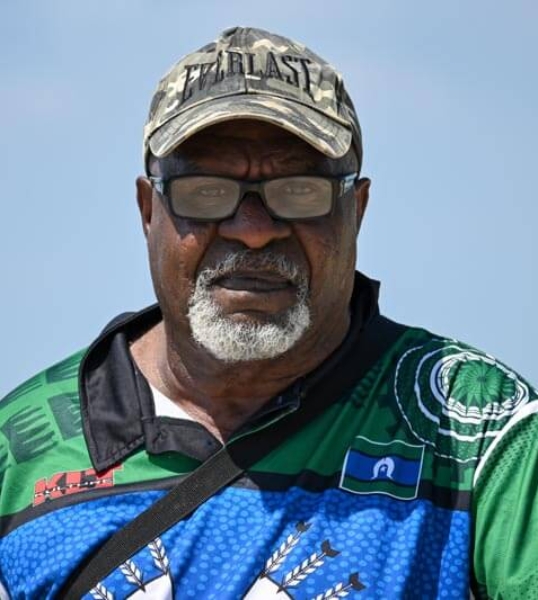
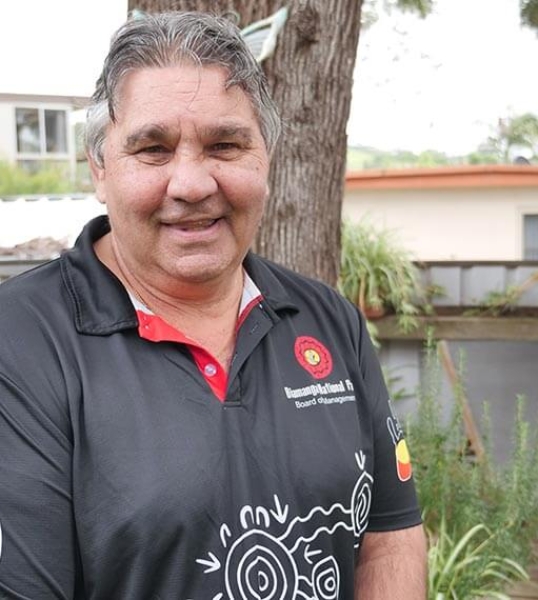
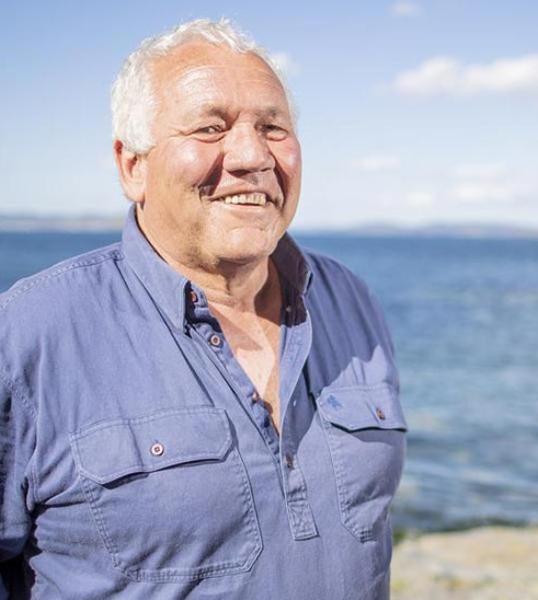
We're reviewing your story now. As soon as it's up on the website we'll send you an email to let you know. We need as many people as possible to share their climate stories - so we can show the government that Australians need urgent climate action. Will you spread the word by sharing this campaign on social media?
Share on Instagram Share on Twitter Share on FacebookWill you stand with us and share your story of how climate change is affecting you, your family and your community?
It doesn't matter how big or small the impact you've felt - everyone's story is important.
Together we can show the government that taking real climate action is in everyone’s interest.